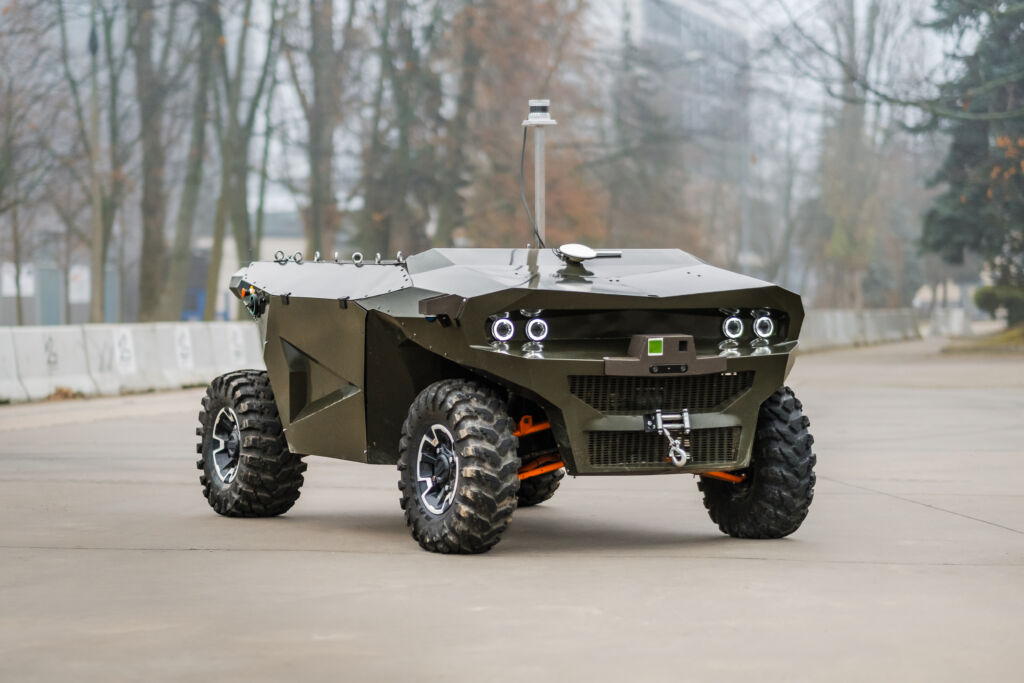
In the field of defense and security, we offer comprehensive research services that guarantee the highest standards of quality and reliability—even under the most demanding conditions.
Road Research
Road Research
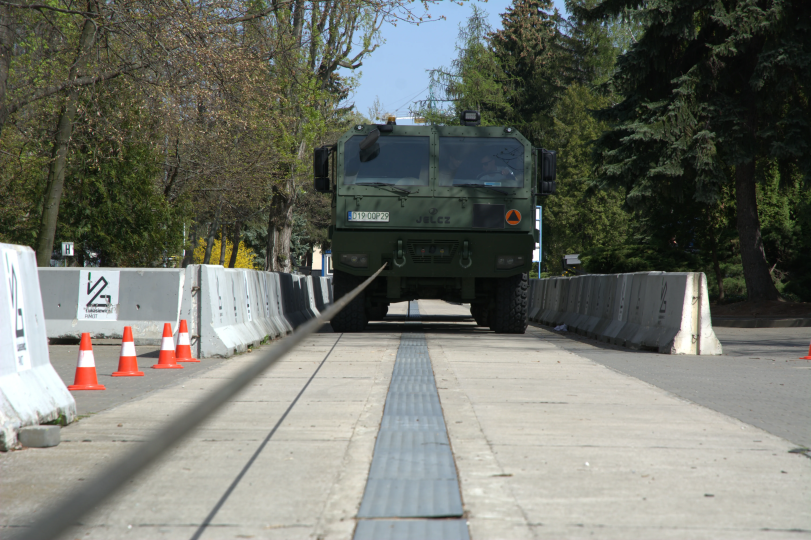
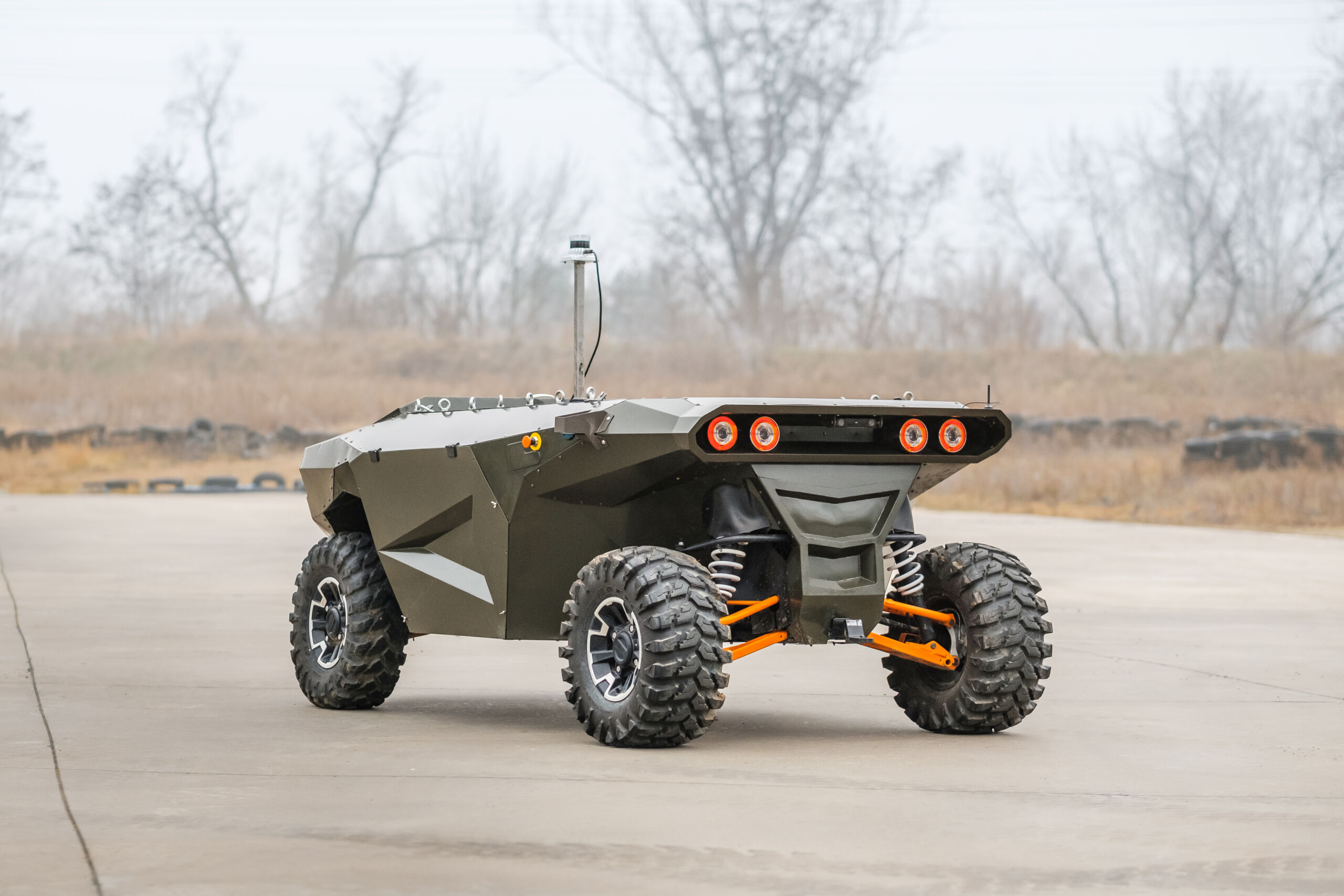
Road tests allow for the verification of a vehicle’s behavior under conditions similar to actual operational use—on paved and unpaved roads as well as off-road.
Scope of research
Traction and Dynamic Properties
- maximum speed
- acceleration time
- attempt to change lanes twice
- Stability and handling on various road surfaces
Strength and Durability
- ongoing research
- resistance to vibrations and shocks
- assessment of the reliability of structures and components
Off-road capabilities
- overcoming obstacles (wall, ditch, log)
- wading
- off-road driving
Operational Efficiency
- fuel or electricity consumption
- operational range analysis
Safety Systems
- braking system performance
- steering system specifications
- turning radius
Wheels and Tires
- resistance to damage
- testing of solid inserts
- the ability to drive with a damaged tire
Field studies
Field studies
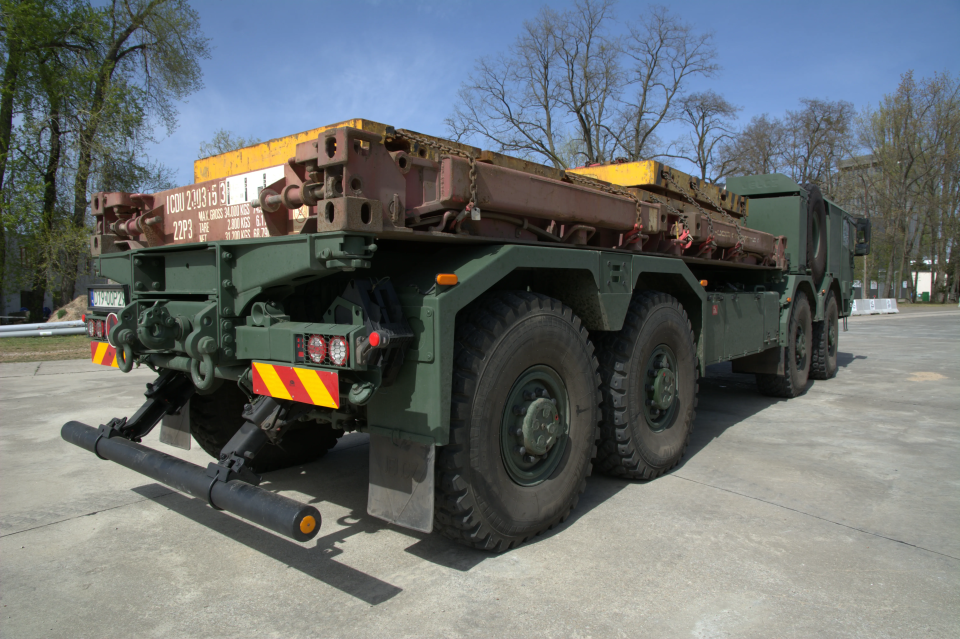
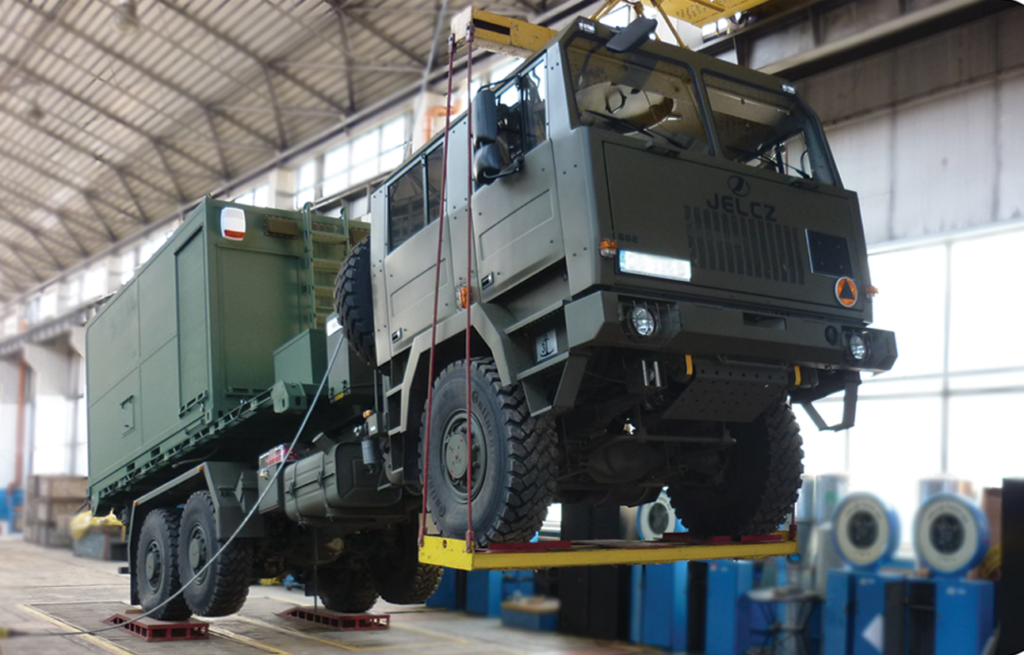
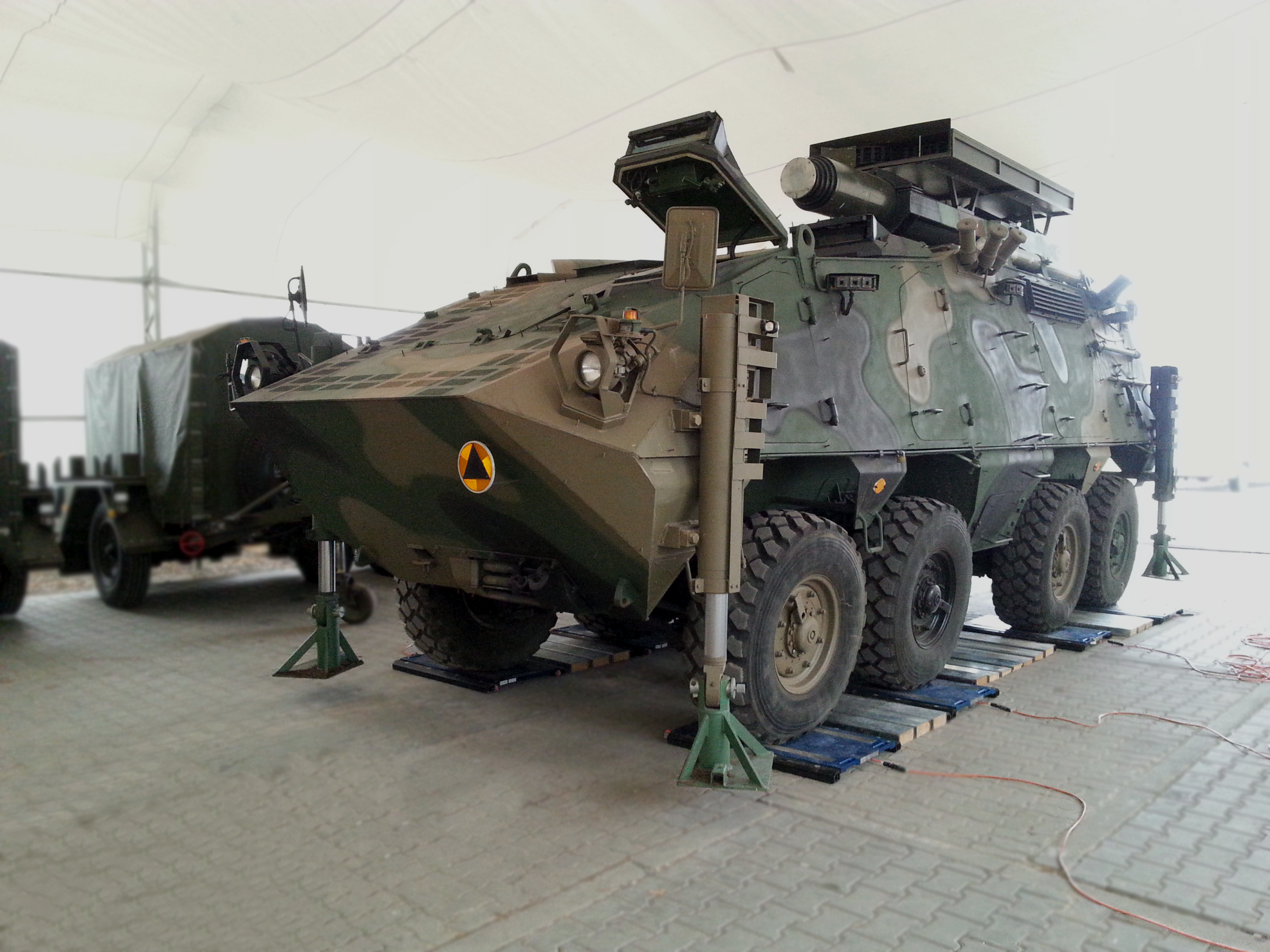
Bench testing allows for a detailed evaluation of the structural, geometric, and mass parameters of vehicles and special-purpose bodies under controlled measurement conditions.
Scope of research
Assessment of the Structure and Development
- verification of design, equipment, and intended use
- checking operational parameters (e.g., loading time)
Transport Vulnerability
- assessment of road, air, rail, and maritime transport capabilities
Stability and Safety
- Determining the maximum lateral roll angle
- Assessment of static lateral stability
Mass Parameters
- determining the location of the center of mass of the vehicle and its body
- Measurement of total weight and wheel load distribution
- Analysis of Mass Reserve and Payload Capacity
Dimensions and Geometry
- measurements of length, width, height, and clearance
- Determining the angles of attack, departure, and ramp
Towing Capacity
- measurement of tensile force
- Assessment of towing, evacuation, and self-evacuation capabilities
Tests for Resistance to Climatic Conditions
Tests for Resistance to Climatic Conditions
We conduct comprehensive testing of special-purpose and military vehicles, as well as their components, to evaluate their resistance to extreme environmental conditions. The tests are performed in controlled climate chambers and under conditions that simulate real-world operating environments.
The purpose of the tests is to confirm the reliability of operation, the maintenance of functional parameters , and safety of use under extreme weather conditions.
Scope of Climate Research
Low temperatures
- testing at temperatures as low as –50°C
- Evaluation of engine starting performance under low-temperature conditions
- inspection of electrical, hydraulic, and pneumatic systems
High temperatures
- tests at temperatures up to +70°C
- monitoring the stability of the operating parameters of powertrains and electronic systems
- Evaluation of Cooling System Performance
Humidity and Condensation
- testing under conditions of high humidity (up to 98% RH)
- Analysis of the Impact of Condensation (Frost, Dew) on the Operation of Equipment and Systems
- assessment of materials’ resistance to moisture
The Impact of Weather Conditions
- simulation of airflow (wind) up to 30 m/s
- weather resistance (rain) testing
- Tests in environments with dust and sand exposure
Research Findings
- confirmation of operational capability in extreme climates
- Identification of potential operational risks
- Support for the qualification and technical acceptance process
The tests are conducted in accordance with the requirements of national and international standards— —as well as the client’s specific requirements.
Electromagnetic Compatibility Testing – Electromagnetic Compatibility (EMC)
Electromagnetic Compatibility Testing – Electromagnetic Compatibility (EMC)
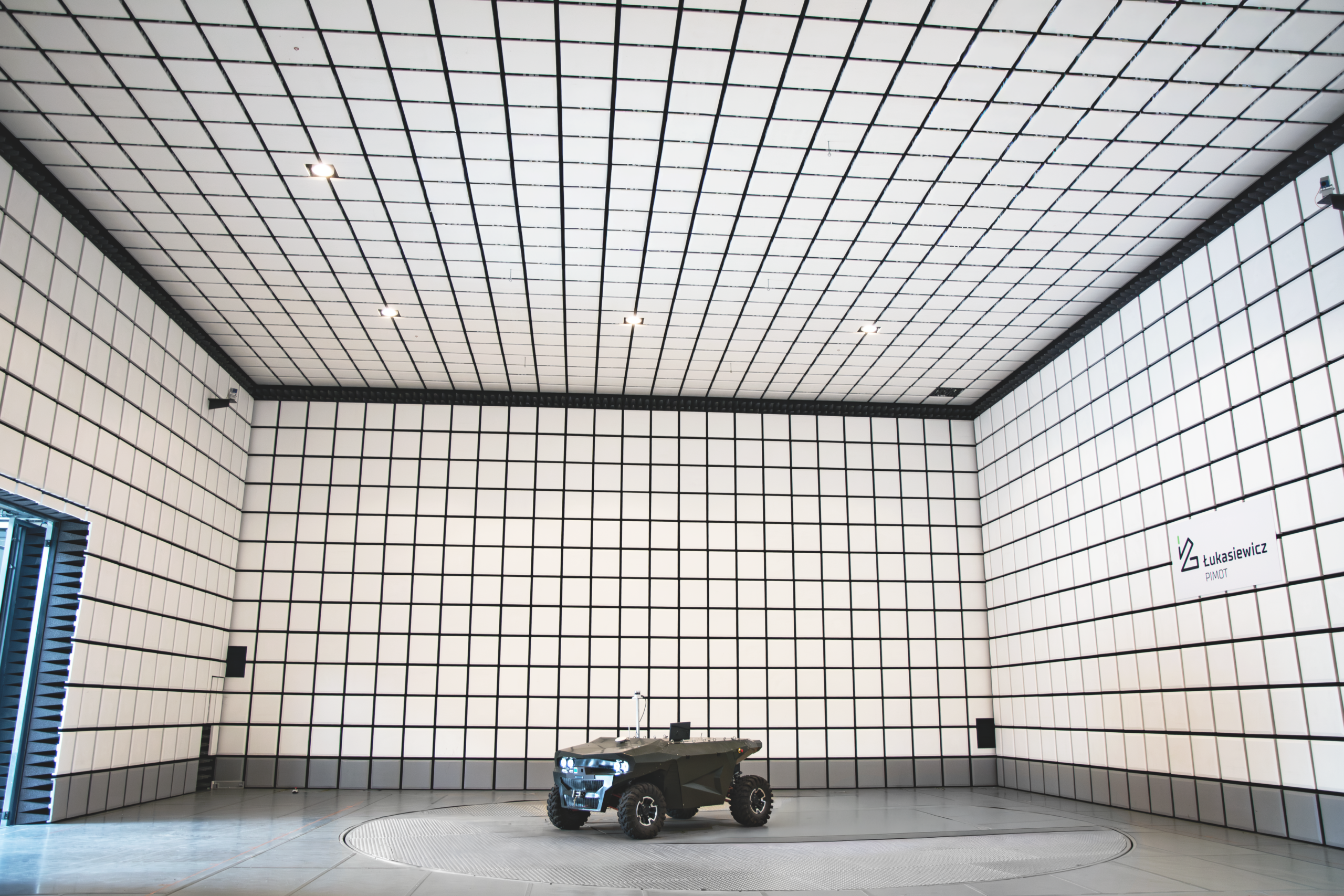
We conduct electromagnetic compatibility testing of special-purpose vehicles, military vehicles, and their electronic systems. We verify the immunity of devices to electromagnetic interference and the level of emissions that may affect the operation of other systems.
The tests are conducted in a specialized anechoic chamber, , which enables precise measurements in a controlled environment.
Scope of research
Regulatory Compliance Reviews
- Verification of compliance with the requirements of NO-06-A200/A500
- testing in accordance with MIL-STD-461 F/G standards
- Confirmation of compliance with contractual requirements and technical specifications
Emissions and Immunity Testing
- measurements of radiated and conducted emissions
- electromagnetic field immunity testing
- Impulse and Conducted Disturbance Immunity Tests
Engineering Studies
- Identification and localization of sources of interference
- analysis of electromagnetic coupling paths
- Optimization of wiring and grounding
Designing EMC Solutions
- Design and selection of anti-interference filters
- Design and manufacture of EMC filters
- support for shielding and improving system resilience
Benefits for the project
- minimizing the risk of disruptions in communication and control systems
- improving operational reliability in the operating environment
- reducing the time required to obtain certifications and approvals
We provide support during the design phase, as well as during qualification and acceptance testing, tailoring the scope of testing to contractual and regulatory requirements.
We hold the necessary licenses and accreditations authorizing us to conduct testing and certification of products intended for the military and other uniformed services.
We participate in the product evaluation referred to in the Act on the Conformity Assessment System for Products Intended for National Defense and Security, and we hold accreditations from the Ministry of National Defense.