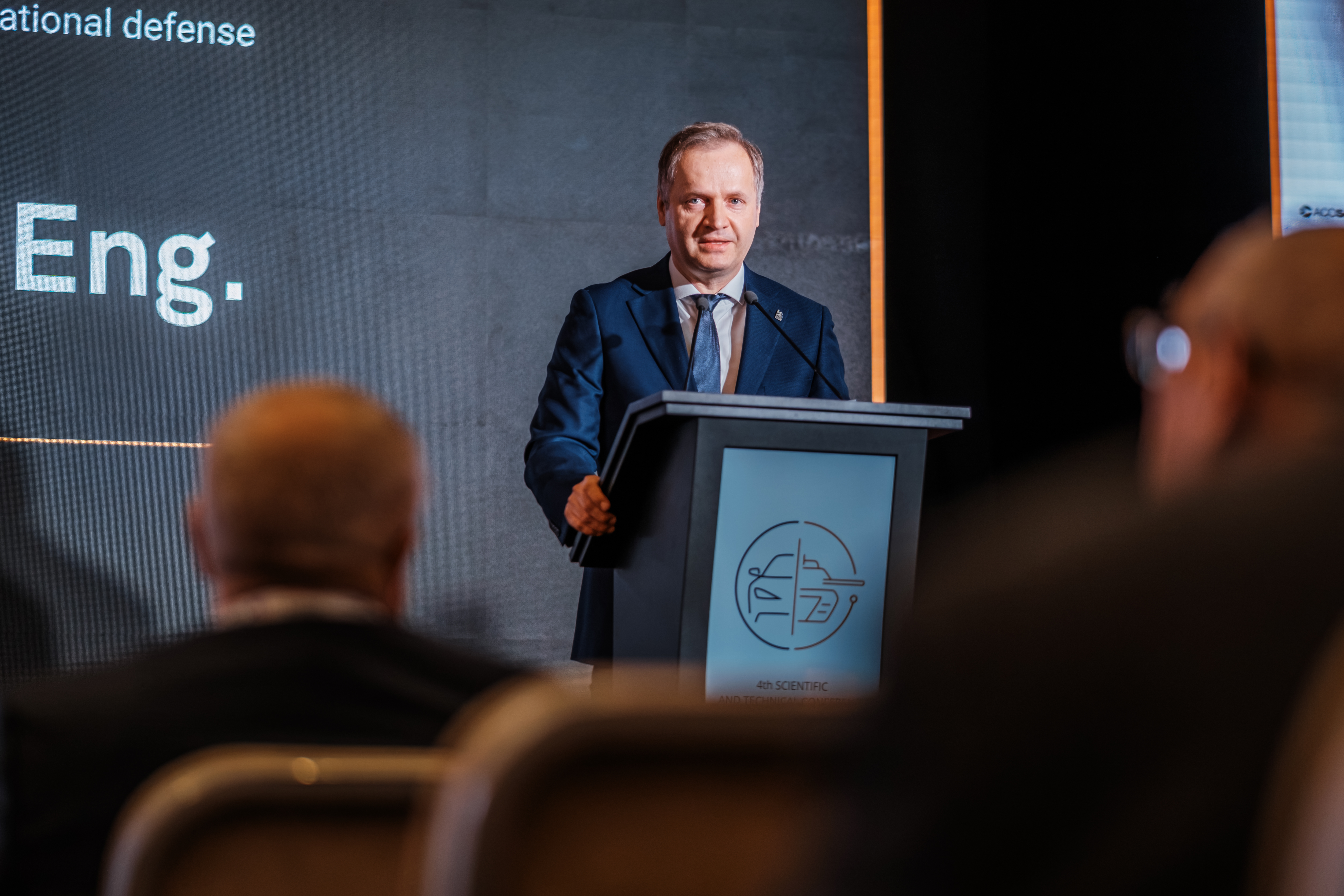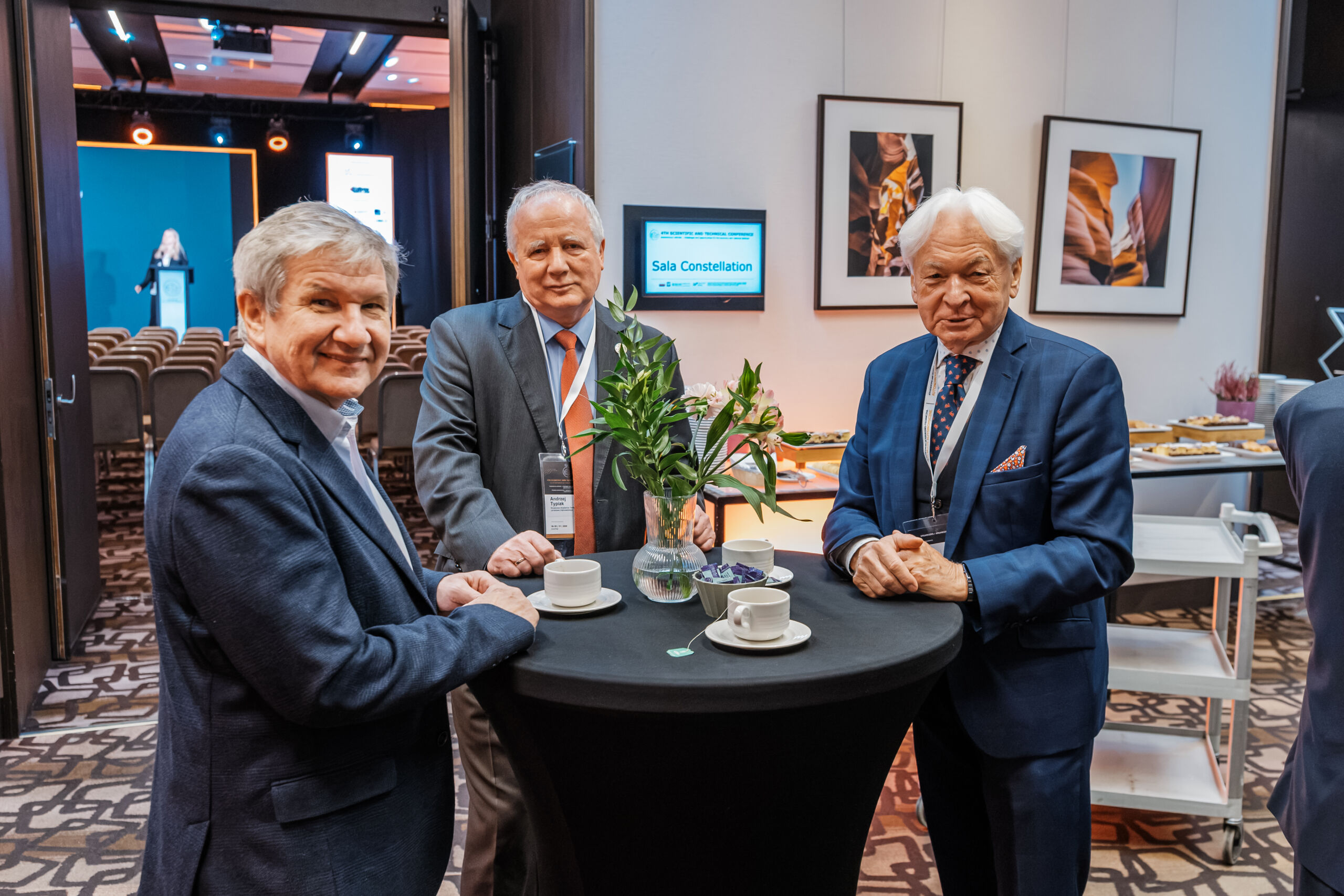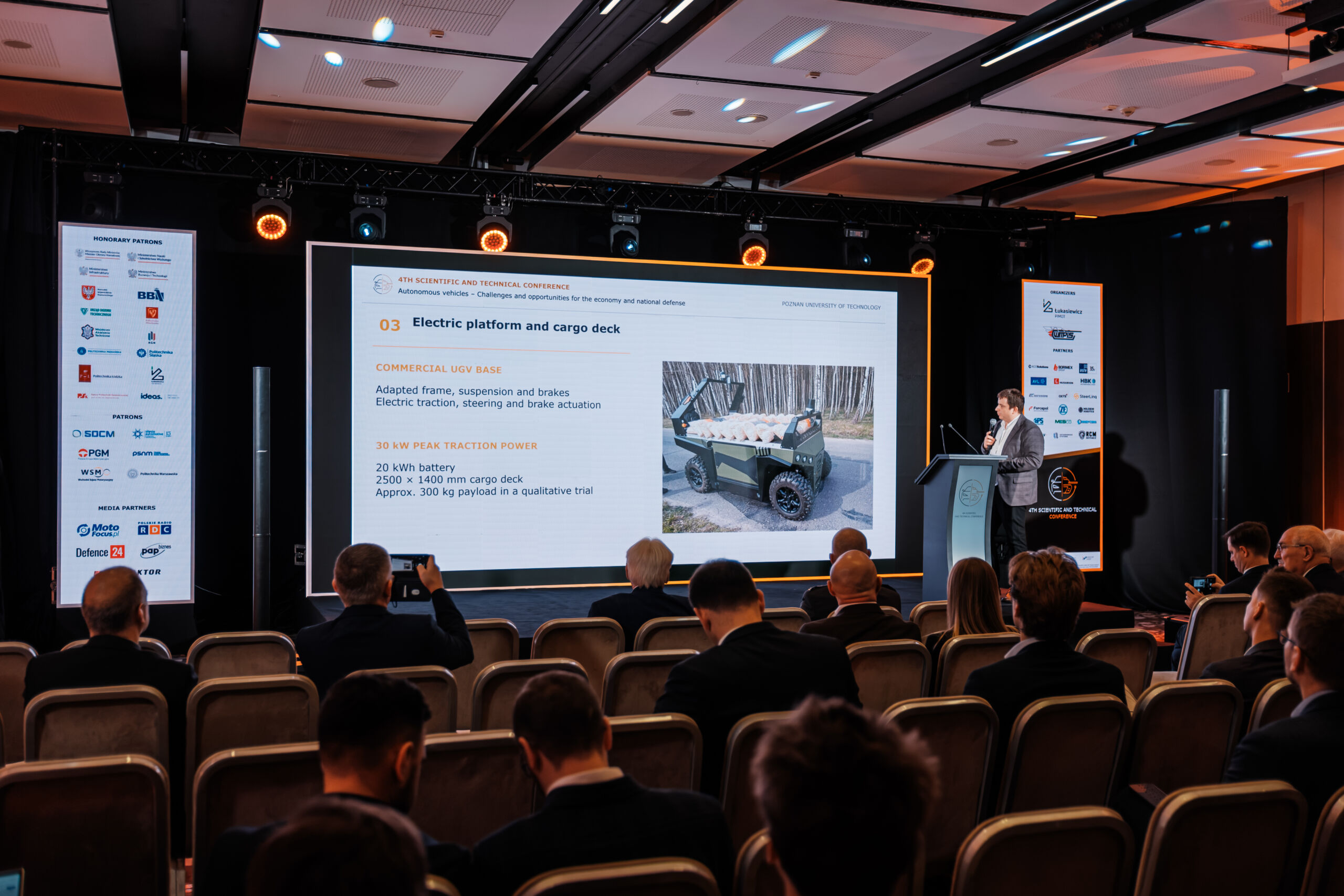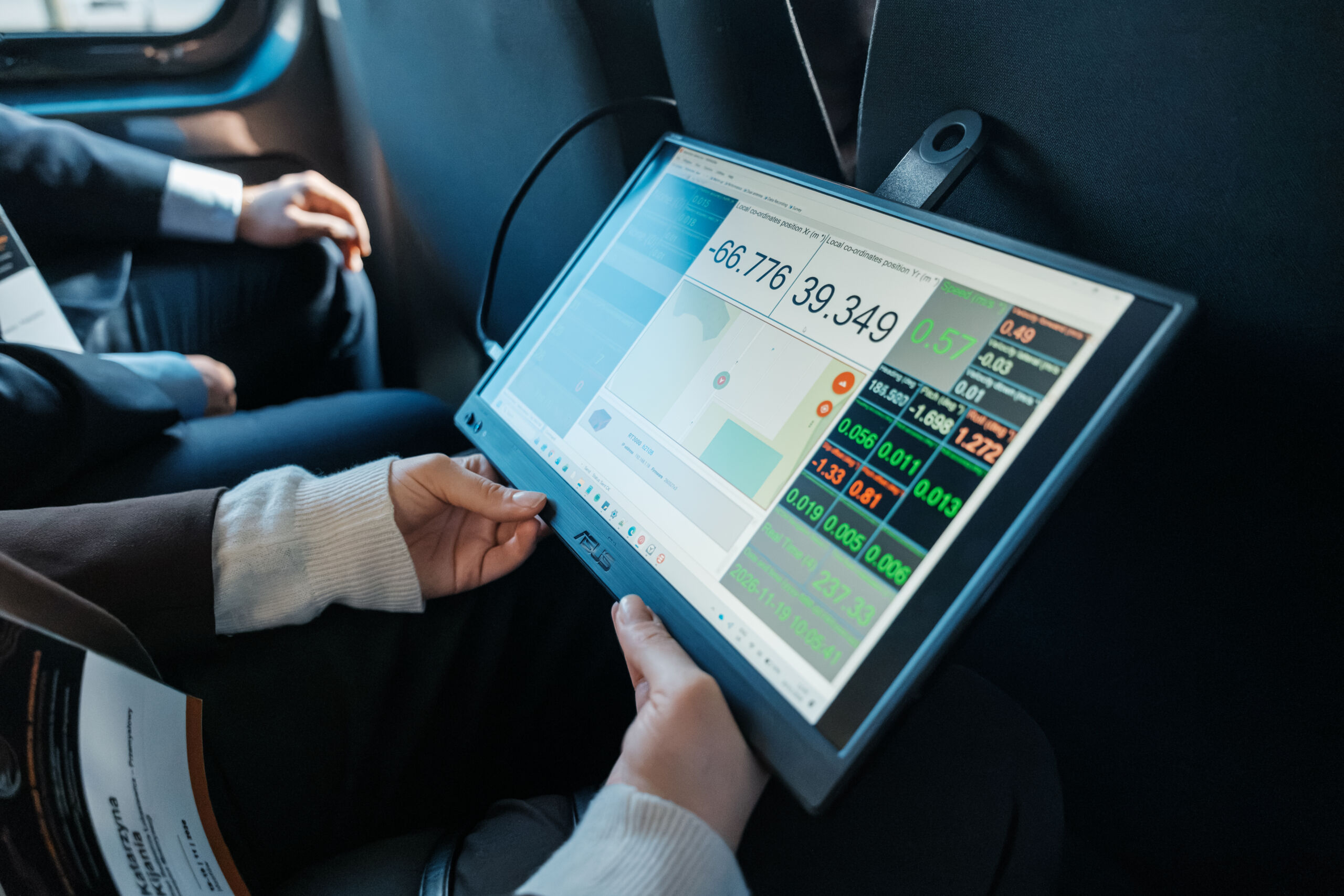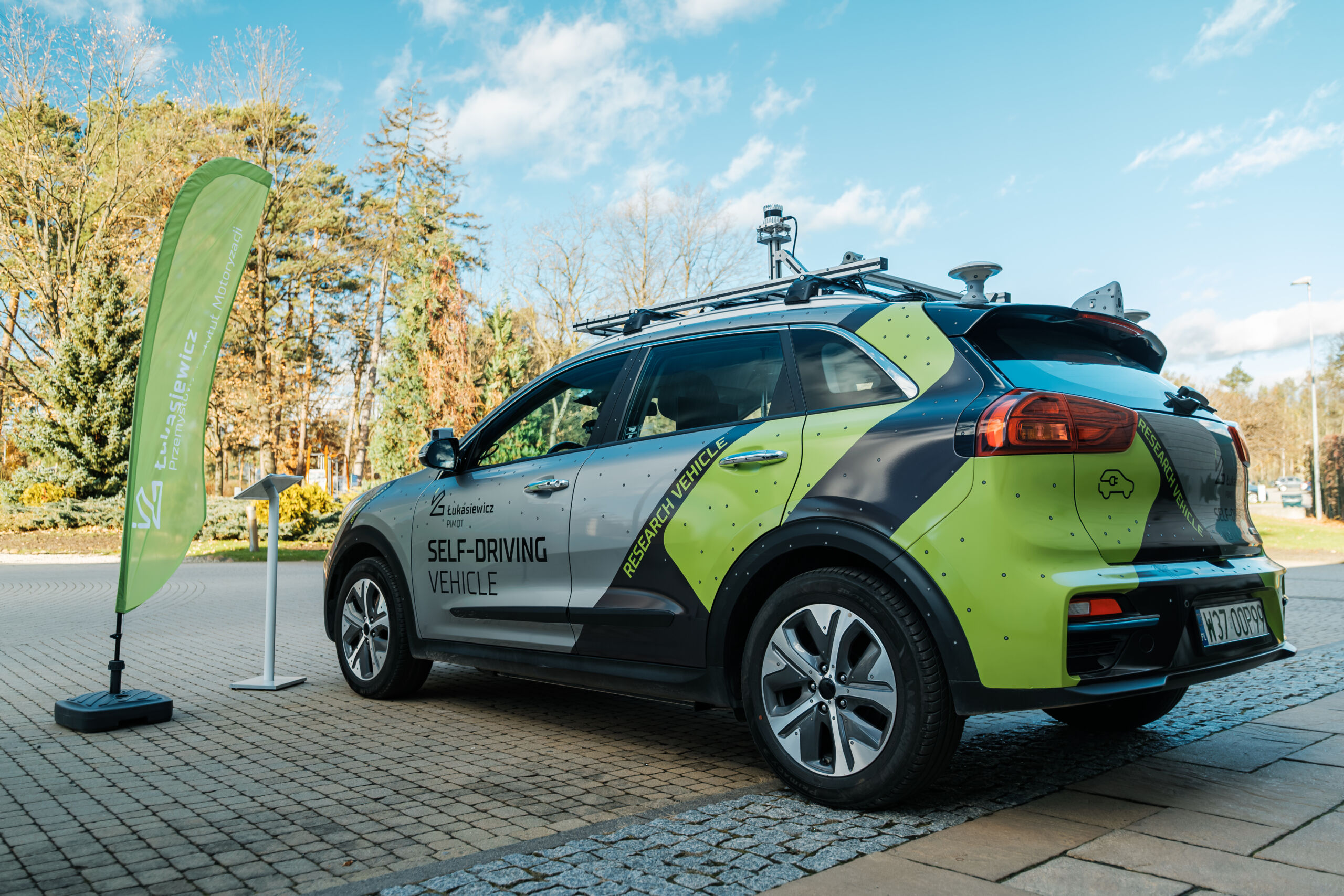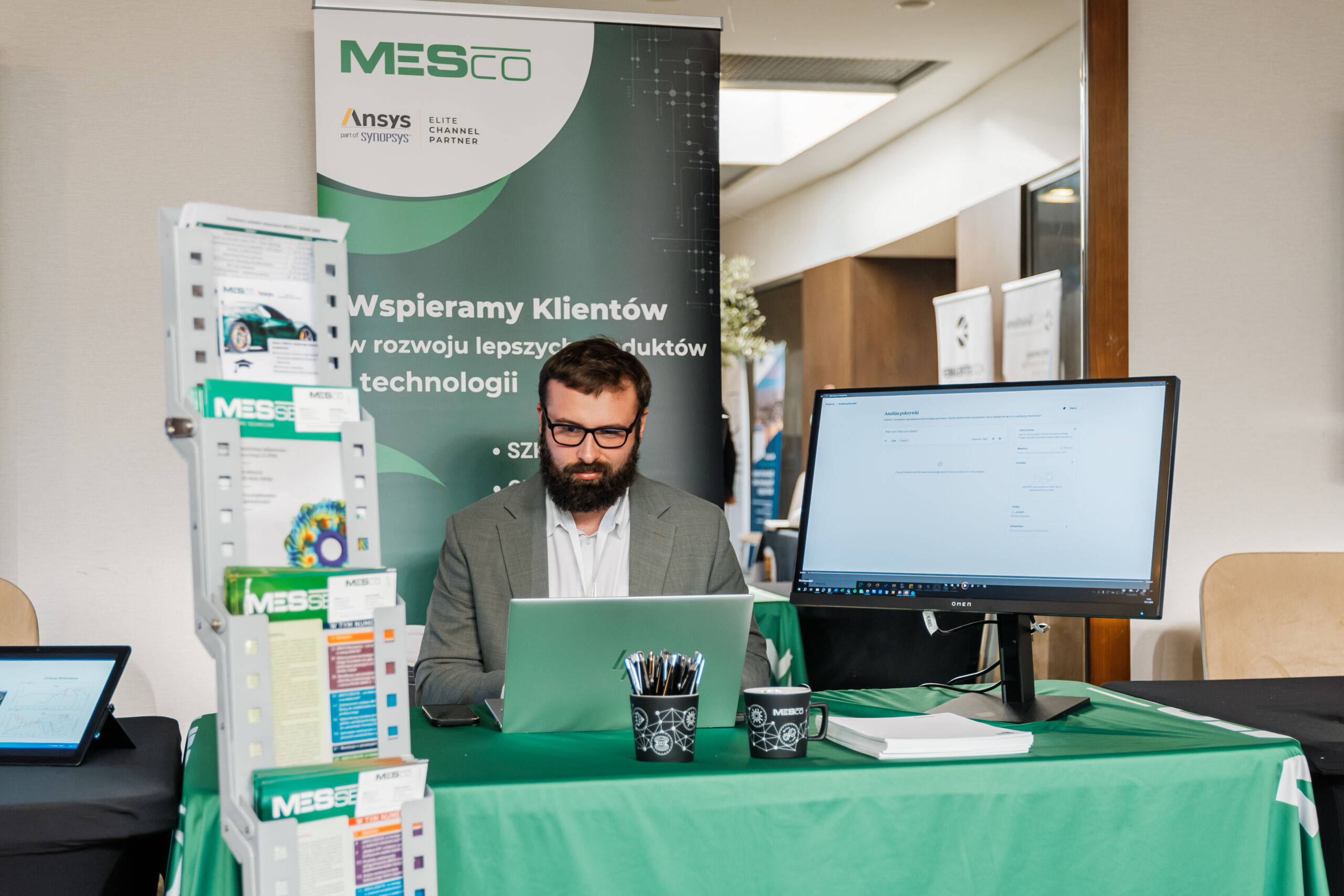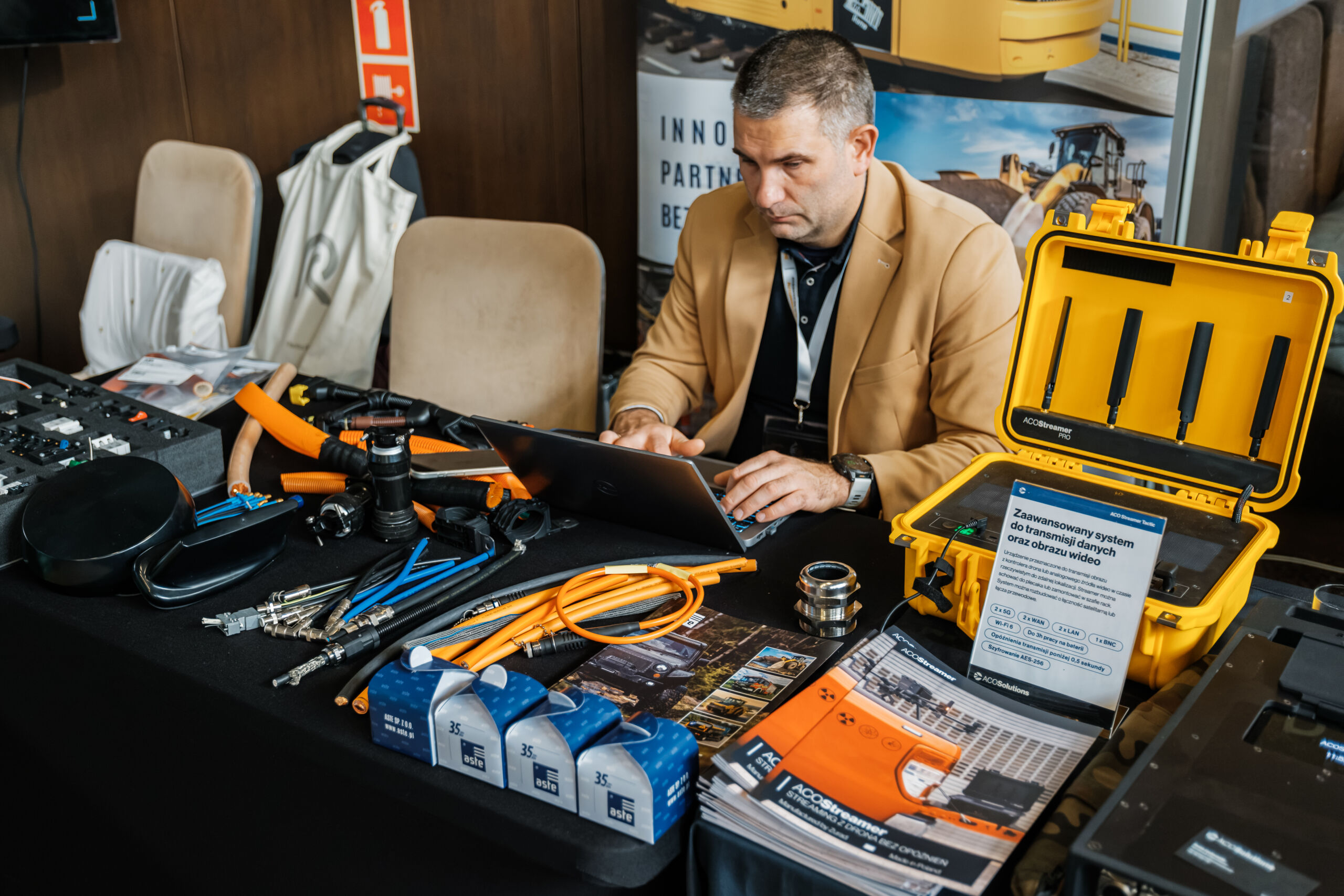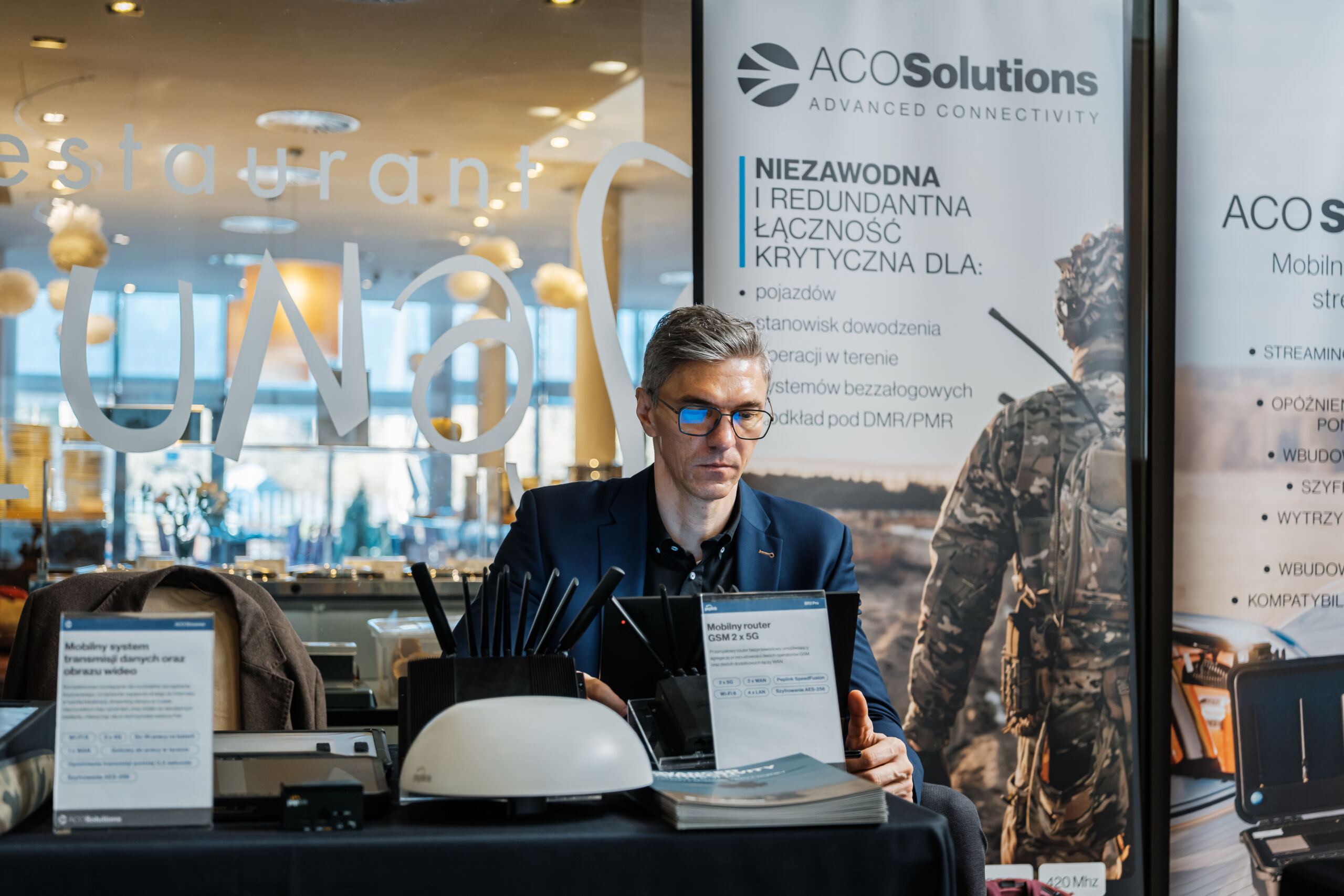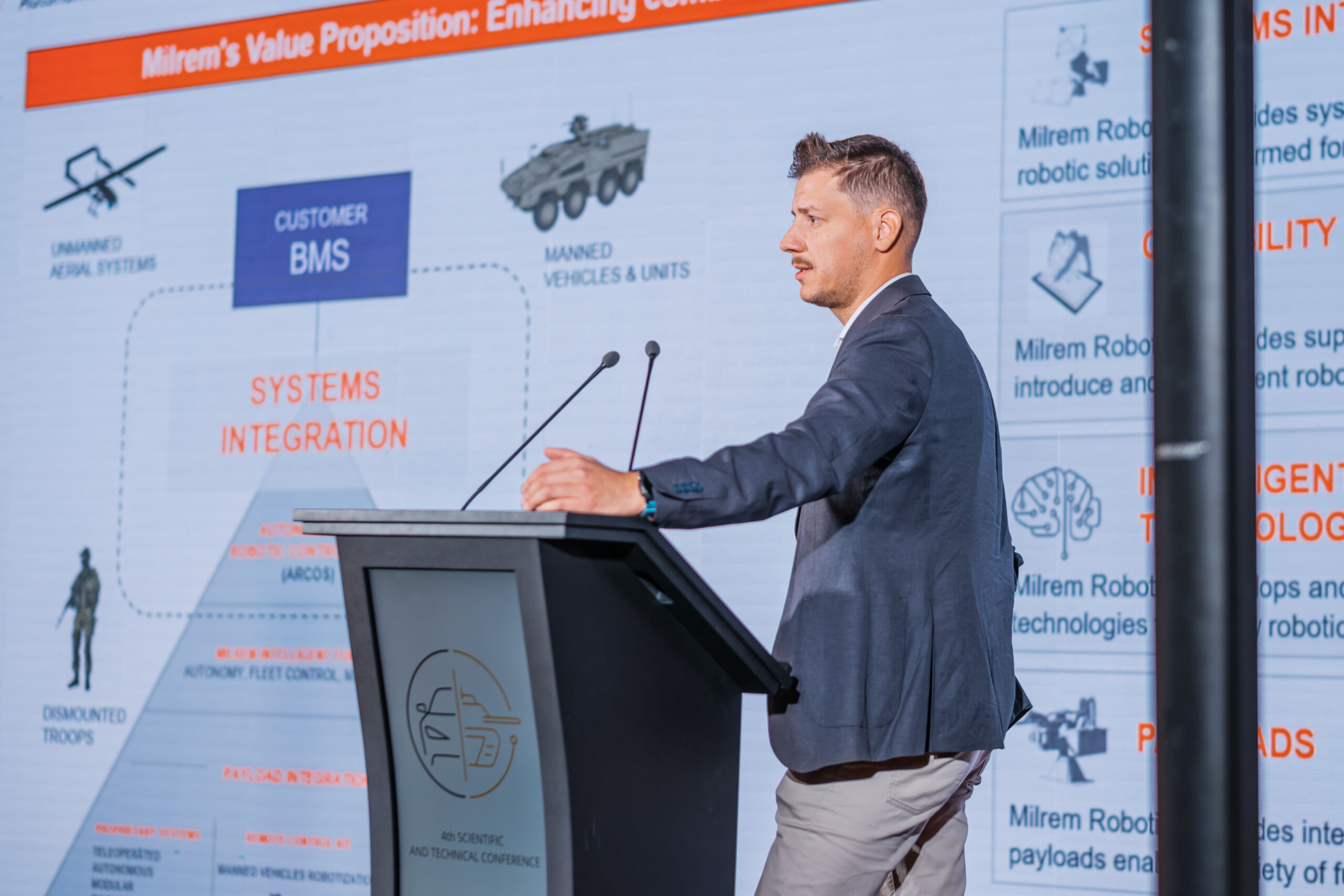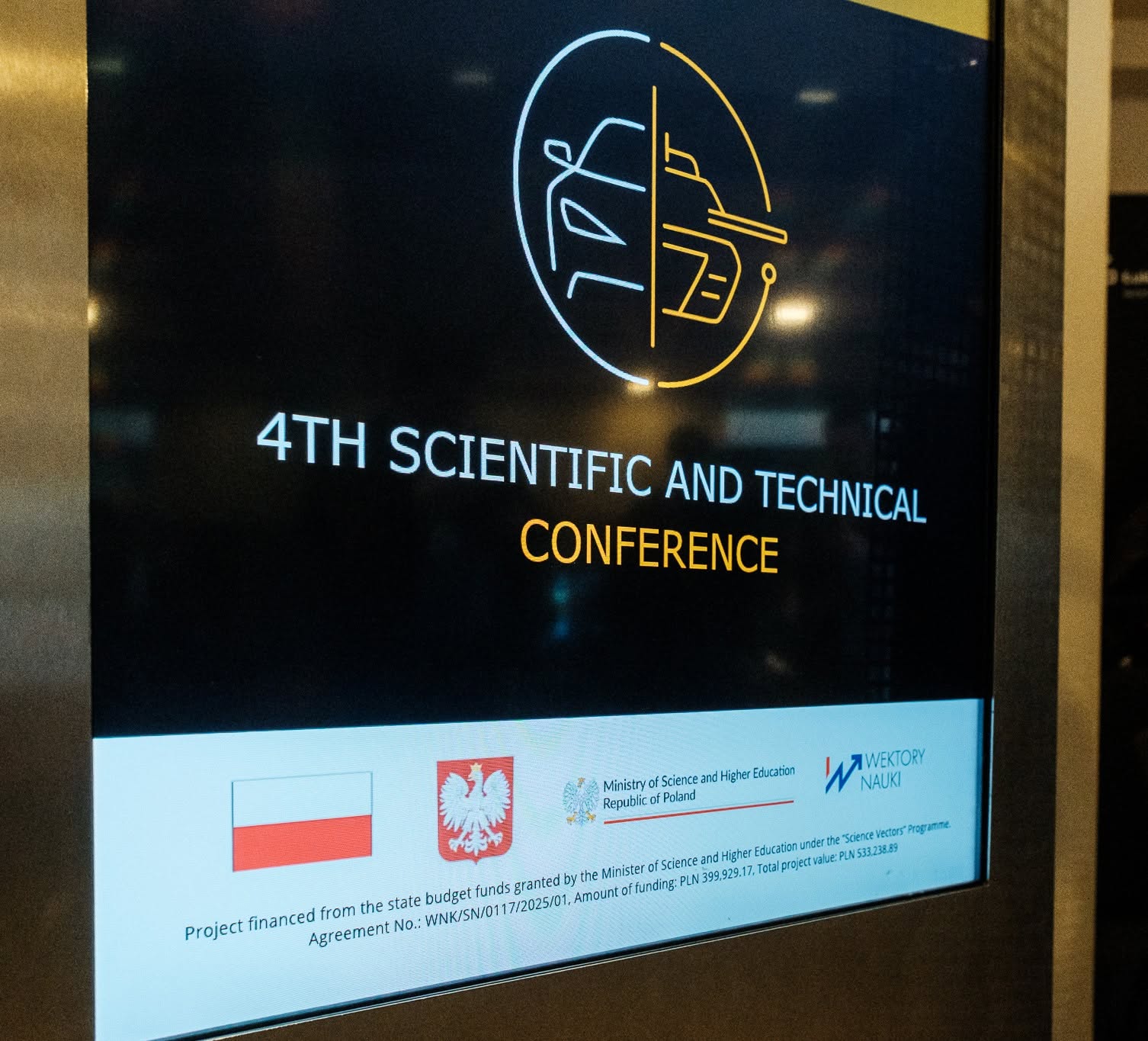
Unmanned ground platforms, artificial intelligence, and the potential applications of autonomous systems in the Polish Armed Forces were the main topics of the 4th Scientific and Technical Conference “Autonomous Vehicles—Challenges and Opportunities for the Economy and National Defense.” The event took place on November 18–19, 2026, at the Holiday Inn Resort Warsaw–Józefów and brought together representatives from the military, industry, public administration, and the scientific community.
The conference was organized by Łukasiewicz – Industrial Institute of Automotive Technology, and co-organized by the Military Institute of Armored and Automotive Technology (WITPiS). The program included presentations by experts, paper and poster sessions, a promotional and industrial panel, and demonstrations of unmanned ground vehicles.
The Military, Academia, and Industry on the Future of Autonomy
The conference was opened by Dr. Karol Zielonka, M.Eng., director of Łukasiewicz – PIMOT. Participants were also welcomed by Col. Michał Ceremuga, Ph.D., M.Eng., director of WITPiS.
The event was attended by representatives of key government and military institutions, including, among others, Prof. Jerzy Małachowski, Ph.D., Eng., Director of the National Center for Research and Development; Col. Mariusz Zieja, Ph.D., Eng., the Minister of National Defense’s Representative for the Autonomous Systems Center; Major General Sławomir Drumowicz, Deputy Commander-in-Chief of the Armed Forces, and Col. Tomasz Zaremba, Head of the Scientific Research Division in the Department of Innovation at the Ministry of National Defense.
The substantive portion of the event was opened by Dr. Tomasz Michalak, Ph.D., professor at the University of Warsaw and head of the AI Strategy Laboratory at the IDEAS Research Institute. In his presentation, he discussed the impact of artificial intelligence on the modern battlefield.
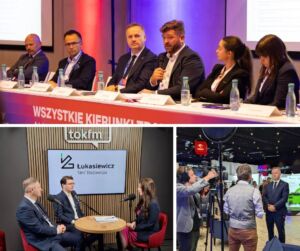
Representatives from academia and industry then discussed the directions of development for autonomous vehicles and the challenges associated with their implementation. The panel, moderated by Jan Gramatyka of Autonomous Systems, focused both on the opportunities offered by new technologies and on the technical and organizational barriers that continue to limit their wider application.
ALTRAX – a demonstration of the capabilities of unmanned ground platforms
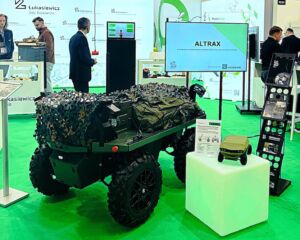
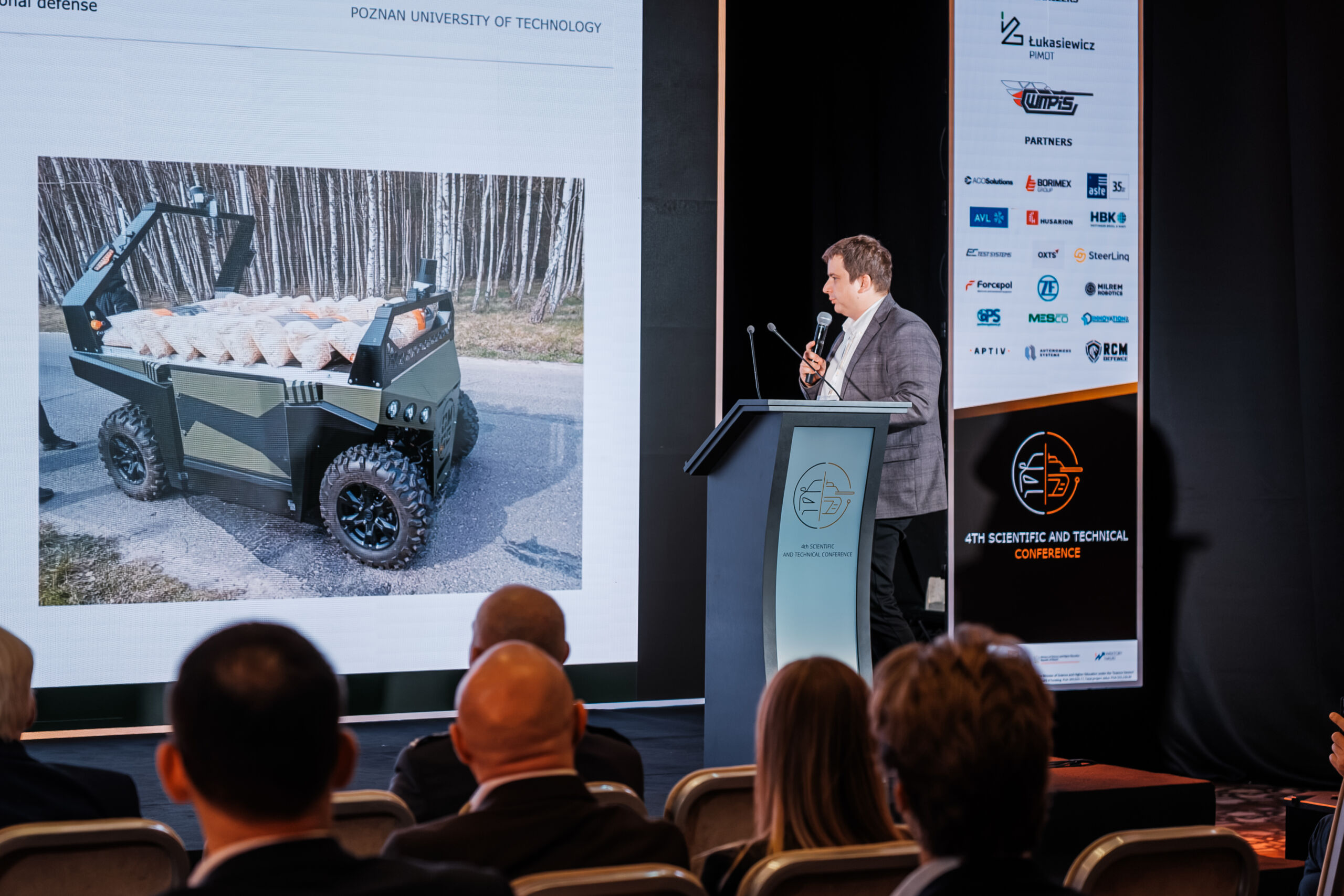
An important part of the conference was the static and dynamic demonstrations of autonomous vehicles. Łukasiewicz – PIMOT presented two examples of the ALTRAX unmanned ground vehicle: the first prototype and a modified version of it.
The ALTRAX platform measures 1.6 × 1.1 × 0.6 m and weighs 240 kg. It has a payload capacity of 200 kg, a maximum speed of 40 km/h, and a claimed range of up to 70 km. The radio control range extends up to 14 km.
The vehicle is equipped with a 4WS4WD drivetrain, swappable batteries, and extensive communication systems, including an encrypted Mesh radio, Starlink, and a fiber-optic link. Environmental perception is handled by lidars and cameras, among other sensors.
ALTRAX’s modular design allows for the transport of equipment and ammunition, as well as the integration of additional mission-specific systems. This solution enables the platform to be adapted to various usage scenarios and user needs.
Industrial partners also presented their designs. Among them were the Lynx and Panther platforms from Husarion and the Borimex tracked autonomous vehicle, which demonstrated the “Follow Me” function.
Perception, Navigation, and Artificial Intelligence
The first day of the conference featured parallel thematic sessions focused primarily on perception and navigation systems, modeling, and the applications of artificial intelligence in autonomous vehicles.
Plenary speakers included Prof. Krzysztof Stereńczak, who presented on the topic of digital twins of non-urban areas, Prof. Francisco Martín Rico from King Juan Carlos University, who discussed robot navigation in indoor and outdoor environments, and Prof. Abhinav Valada from the University of Freiburg, who presented topics related to robot autonomy in real-world conditions.
A significant part of the program focused on the applications of autonomous technologies in defense. Jan Rajczyk from Caladan presented the concept of cooperative terrain reconnaissance using thermal imaging unmanned aerial vehicles. Marcin Traskowski from the IDEAS Research Institute, meanwhile, discussed the use of counterfactual regret minimization algorithms to determine patrol strategies.
Łukasiewicz – PIMOT also presented its research findings. The presented work included, among other things, methods for detecting a path during mine-clearing missions using the Shiba II vehicle, multisensor methods for detecting subsurface objects, and the development of cost maps for the navigation of unmanned ground vehicles in natural terrain, taking thermal hazards into account.
Experiences from Ukraine and Military Applications of Unmanned Vehicles
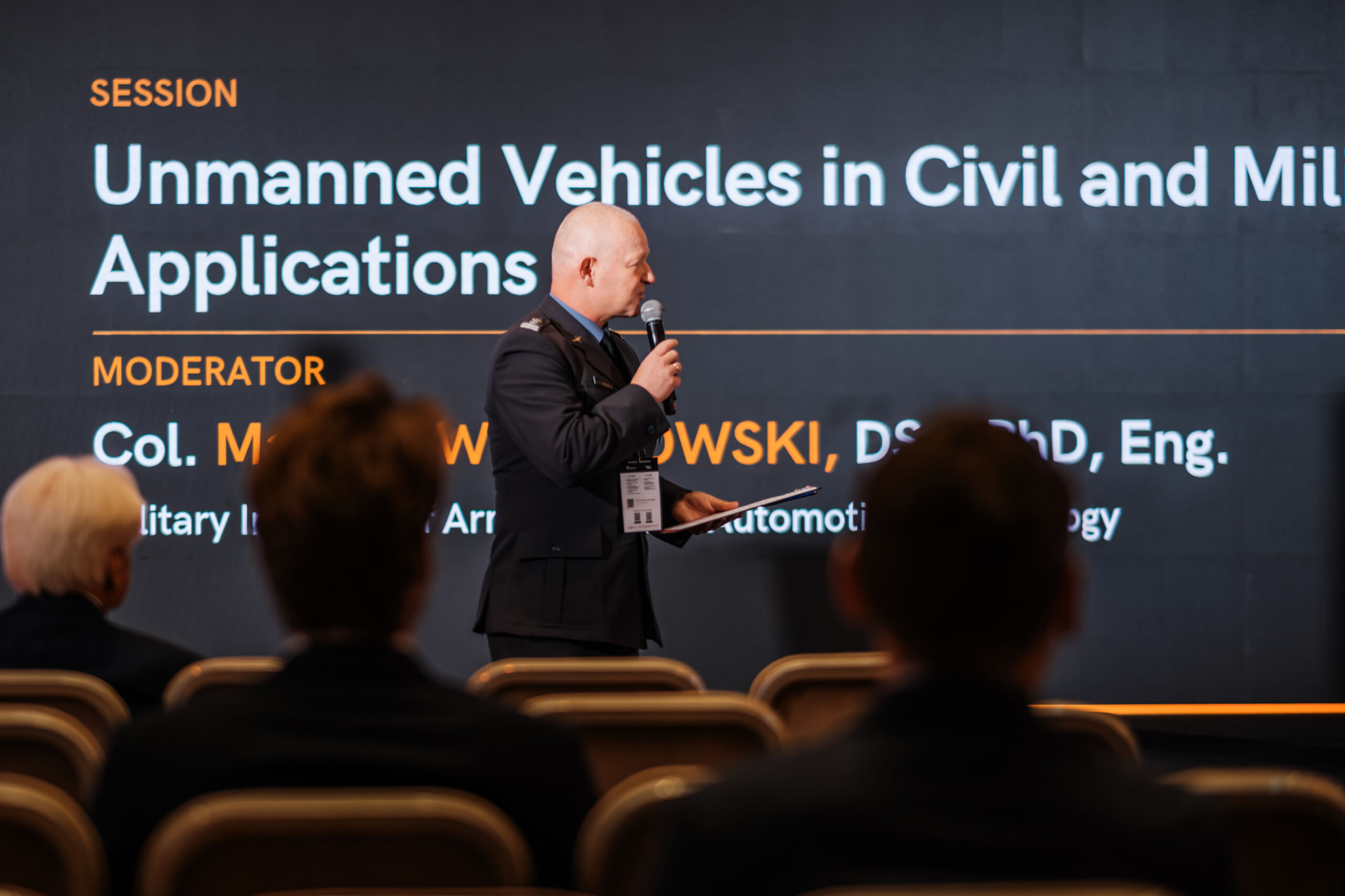
The second day of the conference was devoted to unmanned vehicles and automated systems in civilian and military applications.
One of the key topics was the lessons learned from the war in Ukraine and their significance for the development of autonomous robotic systems. This topic was presented by Prof. Tomasz Michalak. Prof. Christoph Stiller from the Karlsruhe Institute of Technology, in turn, discussed technologies that enhance the resilience of automated and cooperative mobility systems.
The program also included presentations on specific areas of the military’s technical modernization. Topics discussed included armed unmanned ground vehicles, the impact of automation on the development of special-purpose vehicles manufactured by ROSOMAK S.A., the automation of minefield deployment using the BLUSZCZ system as an example, as well as last-mile logistics and the competencies of remotely operated vehicle operators.
CEAT – a research facility for the development of autonomous technologies
Developing a technology demonstrator is just one step on the path to implementing a new solution. The development of autonomous vehicles requires not only the design of platforms and control systems, but also appropriate research infrastructure, the ability to integrate components, and the verification of their performance under various operating conditions.
Łukasiewicz–PIMOT’s expertise in this area is strengthened by the Center for Electromobility and Transportation Automation (CEAT), which was established with European Union funding under the National Recovery and Resilience Plan (KPO). This investment has expanded the Institute’s capabilities in the fields of electromobility, transportation automation and autonomy, and vehicle safety. It has thus complemented the Institute’s existing expertise in laboratory and road testing, type approval, and certification.
For businesses, this means the opportunity to access support at subsequent stages of product development—from concept verification and prototype testing, through durability, electrical, and environmental testing as well as technical validation, all the way to work related to certification, type approval, and preparing the solution for implementation.
The combination of research infrastructure with engineering and regulatory expertise allows companies to develop and validate new technologies in a single location, without having to build a full laboratory facility on their own.
The Institute’s potential in the field of transportation automation and autonomy is also confirmed by previous projects. On November 28–29, 2023, Łukasiewicz–PIMOT conducted tests of an automated vehicle in Jaworzno. According to a statement from the city, these were the first tests of an autonomous vehicle on a public road in Poland, in real traffic conditions.
The competencies being developed are also significant for companies working on dual-use technologies, which can be utilized in both the civilian and defense sectors. This applies, among other things, to batteries and power systems, electric drives, electronics, sensors, and vehicle automation and autonomy systems.
CEAT’s infrastructure enables the research and validation of such solutions. In turn, the Institute’s expertise in electromagnetic compatibility, environmental resilience, drive reliability, and the integration of specialized equipment can support the development of technologies intended for both sectors.
From Demonstrators to Implementations
The 4th Scientific and Technical Conference demonstrated that the development of autonomous vehicles requires close cooperation between the military, academia, industry, and government. Unmanned ground platforms, perception systems, artificial intelligence, and remote control technologies open up new possibilities in both civilian and defense applications.
However, the transition from technology demonstrators and research results to solutions proven under operational conditions requires systematic research, testing, validation, and preparation for implementation. It is precisely at this stage that the research facilities of Łukasiewicz–PIMOT, including the Center for Electromobility and Transport Automation, play a crucial role.
The expertise and infrastructure developed at the Institute enable it to support entrepreneurs in designing, researching, and refining vehicle technologies, including dual-use solutions. This is a crucial element in building national technological capacity in the fields of modern mobility and defense.
The conference was funded from the state budget allocated by the Minister of Science and Higher Education as part of the “Vectors of Science” program.
We’d like to invite you today to the next, anniversary—5th—edition of the Scientific and Technical Conference “Autonomous Vehicles—Challenges and Opportunities for the Economy and National Defense.” See you next year!